
Mastering Working Capital Management: Key Strategies for Business Growth and Operational Resilience
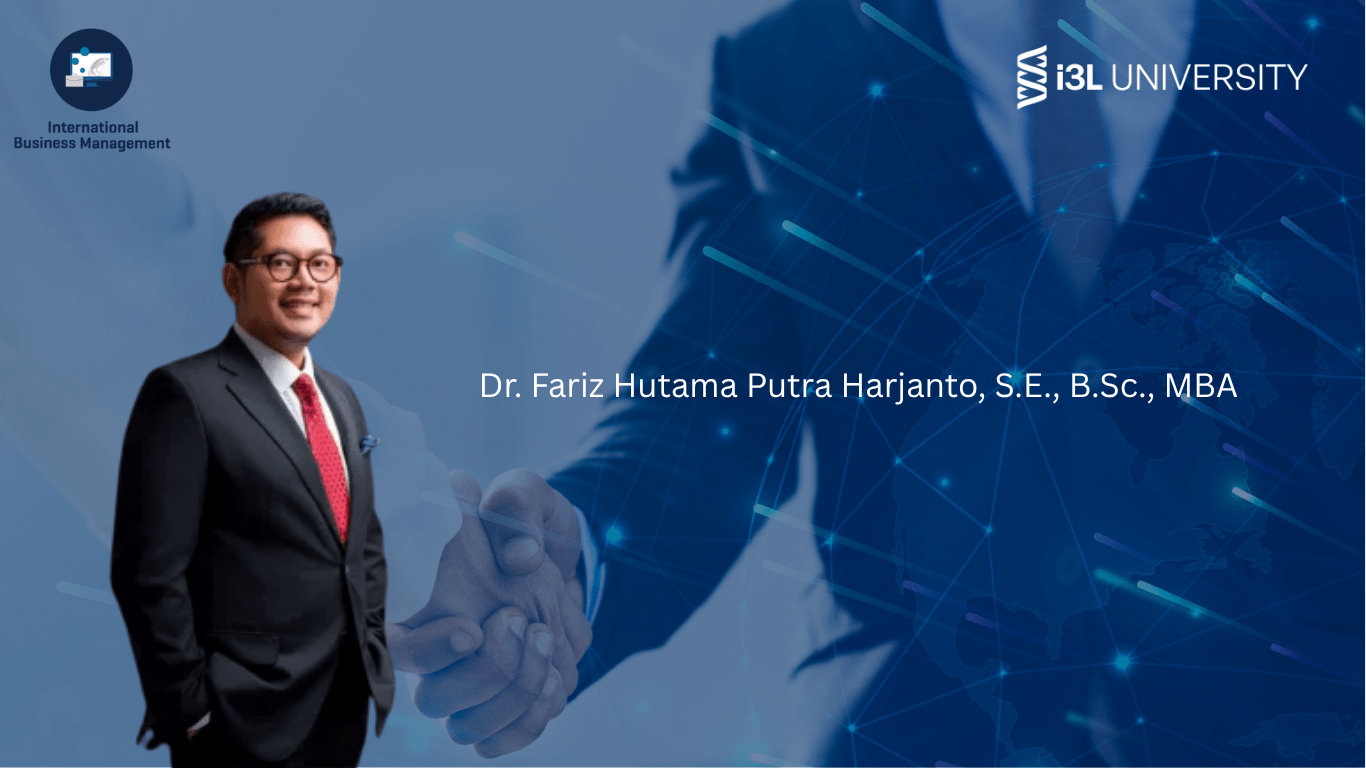
Expert Opinion: Dr.Fariz Hutama Putra Harjanto, S.E., B.Sc., MBA
Source: https://www.jurnal.id/id/blog/strategi-working-capital-management/
Jakarta, 31 August 2026 — In the fast-paced landscape of modern commerce, many view growth as the ultimate metric of corporate success. However, rapid expansion without liquidity can lead to financial distress. Many enterprises face severe operational hurdles not because they lack profitability, but because of inefficient Working Capital Management (WCM). Balancing short-term assets against short-term obligations is essential to maintain liquidity, ensure operational stability, and drive long-term enterprise value.
At its core, working capital represents the operational funds required to sustain daily business activities. It measures a company’s short-term financial liquidity and efficiency.
Gross working capital focuses entirely on total current assets (cash, accounts receivable, inventory, and short-term investments). It indicates the overall financial investment deployed in daily operational cycles. Meanwhile, Net Working Capital (NWC) deducts current liabilities (accounts payable, short-term debt, and accrued expenses) from current assets. NWC provides a clearer, more realistic snapshot of a firm’s short-term solvency and ability to absorb market volatility.
“A common pitfall among growing enterprises and MSMEs is mistaking revenue growth for financial health,” notes Dr. Fariz Hutama Putra Harjanto, S.E., B.Sc., M.B.A., finance expert and faculty member at i3L’s School of Business Management.
“A company can show impressive profits on its income statement, but if those profits are locked up in uncollected accounts receivable or excess warehouse inventory, the business is effectively cash-starved. Strategic working capital management is about accelerating cash velocity, ensuring capital moves through the operational loop fast enough to fund continuous innovation and guard against market shocks.”
To build an effective financial strategy, financial leaders distinguish between two key operational dynamics:
While maintaining positive net working capital is crucial, financial efficiency lies in optimizing cash conversion efficiency.
To evaluate working capital efficiency, financial managers track the Cash Conversion Cycle (CCC), which measures the time (in days) required to convert investments in inventory into cash inflows from sales.
Days Inventory Outstanding (DIO) means how quickly inventory is converted into final sales. Lowering DIO reduces holding costs and frees up capital. Days Sales Outstanding (DSO) is the average collection period for accounts receivable. Accelerating DSO through automated invoicing and clear credit terms enhances cash availability. Finally, Days Payable Outstanding (DPO) is the average time taken to settle accounts payable with suppliers. Extending DPO allows businesses to hold onto cash longer, provided vendor relationships remain intact.
As Dr. Fariz emphasizes, “Managing the cash conversion cycle requires a fine balance. Stretching DPO too far can ruin critical supplier trust, while aggressive DSO collection can hurt customer relationships. Modern business leaders must use data analytics to calibrate this cycle dynamically.”
Understanding financial mechanics like working capital optimization is essential for driving sustainable business innovation. At the School of Business Management (SBM) at i3L University, we combine academic frameworks with real-world industry application. Under the guidance of experienced faculty like Dr. Fariz, students gain hands-on experience in corporate finance, digital financial tools, and strategic decision-making, equipping them to build resilient, market-ready enterprises.

i3L University’s International Business Management study program gives you the essential skills for global, multicultural leadership, balanced with a human-centric social science focus. Our program is structured for experience: you do an internship 8 times in 8 semesters! All coursework is condensed into the first half of Semesters 1-5. The rest is dedicated to your mini-internships. Graduate with eight professional experiences ready for your career.