
Tramadol: Understanding Its Medical Uses, Risks, and the Growing Public Health Concern
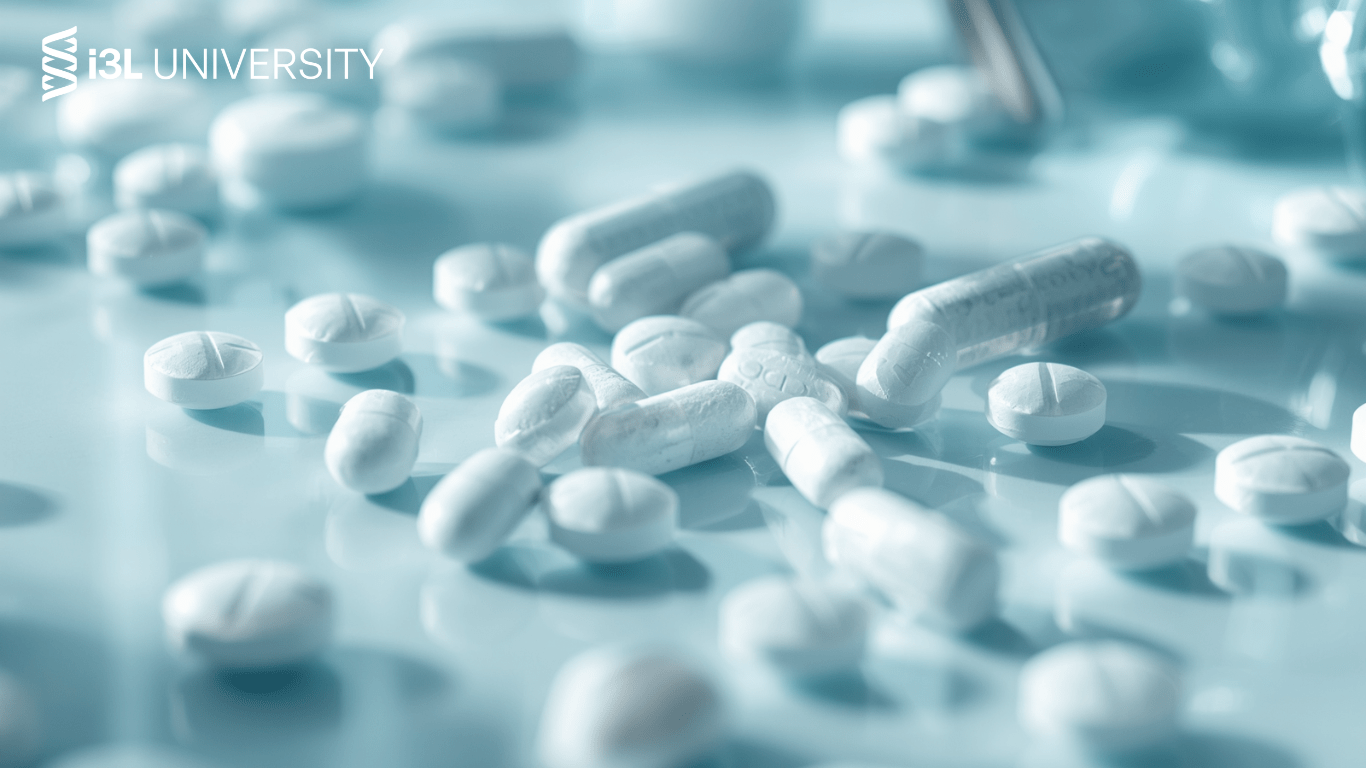
Jakarta, 18 June 2026 – Tramadol has become a widely talked-about prescription medication in recent years. It plays an important role in managing pain, but there are growing concerns about misuse, dependency, and illegal distribution in many countries, including Indonesia. It is important for patients, healthcare workers, and the community to understand what tramadol is, how it works, and the risks involved.
Tramadol is a prescription medicine used to treat moderate to moderately severe pain. It is part of the opioid painkiller group, but it is different from stronger opioids like morphine and oxycodone. Tramadol alters how the brain and nervous system perceive pain, helping people manage pain after surgery, injury, or certain long-term conditions.
Doctors may prescribe tramadol when painkillers like paracetamol or ibuprofen are not enough to control pain. When taken as directed by a doctor, tramadol can help improve the quality of life and support recovery.
Tramadol works differently from other opioid medicines. It helps in two main ways. First, it attaches to opioid receptors in the brain, which lowers the feeling of pain. Second, it increases levels of serotonin and norepinephrine, which are neurotransmitters that help regulate pain and mood.
Because of these effects, tramadol not only relieves pain but can also affect mood and emotions. This is part of why it helps some people, but it also adds to its risks.
Healthcare professionals may prescribe tramadol. Doctors may give tramadol for different types of pain, such as pain after surgery, pain from injuries, long-term muscle or joint pain, pain from osteoarthritis, and some nerve pain conditions. Tramadol comes in formulations that work quickly or last longer, depending on the patient’s needs. Tramadol can cause side effects. Common side effects include dizziness, drowsiness, nausea and vomiting, constipation, headache, dry mouth, and excessive sweating. Many of these side effects are mild and temporary. However, patients should immediately seek medical attention if they experience severe symptoms such as breathing difficulties, confusion, seizures, or allergic reactions.
A main concern with tramadol is that people can misuse it and become dependent. At first, experts thought tramadol was less addictive than other opioids, but studies now show that using it for too long or in the wrong way can lead to both physical and mental dependence.
People who misuse tramadol might take more than the prescribed dose, use it without a prescription, mix it with alcohol or other drugs, or keep using it even when it causes problems.
Over time, the body can get used to tramadol, so higher doses are needed to feel the same effect. This raises the risk of addiction and overdose.
There are several reasons why people misuse tramadol. Some think it is safe because it is often prescribed and easy to get, so they believe it is safer than other opioids. Others use it for its mood-altering effects, seeking euphoria or relaxation, especially if they take too much.
Illegal sales and unapproved distribution also make tramadol easy to get without a prescription, which increases misuse. In Indonesia, misuse of tramadol has become a bigger problem in many areas. Reports of illegal sales and non-medical use have led police, healthcare workers, and public health officials to increase education and monitoring.
Widespread misuse of tramadol does not just affect individuals. It can also lead to higher healthcare costs, reduced workplace productivity, and greater strain on healthcare services.
To solve these problems, healthcare workers, schools, policymakers, and communities need to work together. They should promote safe use of medicines and help people learn more about the risks.
To stay safe, patients should follow some key rules. Only take tramadol if a doctor prescribes it. Always follow the dose instructions. Do not share your medicine with anyone else. Do not mix tramadol with alcohol or sleeping pills unless your doctor says it is okay. Tell your doctor about all other medicines you are taking to avoid dangerous interactions. Keep tramadol in a safe place, away from children.
Patients should talk to their doctor before stopping tramadol, because stopping suddenly can cause withdrawal symptoms.
Teaching the public is very important for preventing the misuse of medicines. When people know the benefits and risks of tramadol, they can make better choices about their health and see the dangers of using it without a prescription.
Universities, hospitals, and public health groups can help by teaching people about health using proven facts and by encouraging safe use of medicines. When more people are aware, it protects both individuals and the community as a whole.
Tramadol is still an important medicine for pain when used correctly and under a doctor’s care. But because it can be misused and cause health problems, it is important for the public to be aware and for doctors to prescribe it responsibly.
As healthcare challenges evolve, it is important for communities to stay informed and for education to be grounded in facts. When people understand both the benefits and risks of tramadol, they can make safer choices and help build a healthier society.

Pharmacy is one of the most interesting and well known majors in Indonesia, which focuses on medicine, which covers from drug discovery, development, clinical trial, drug delivery, drug management and also patient counseling. Pharmacy is the bridge knowledge between biomedical scientists and medical doctors, and highly relates to biomedical science, chemistry, pharmacology, pharmaceutical engineering, social science and population health. Pharmacist is among of the most respected professions in the world, whether in the government institute, research institute, pharmaceutical industry, or clinical pharmacy.