
Beyond the Counter: The Vital Role of Pharmacists in NTT Earthquake Disaster Relief
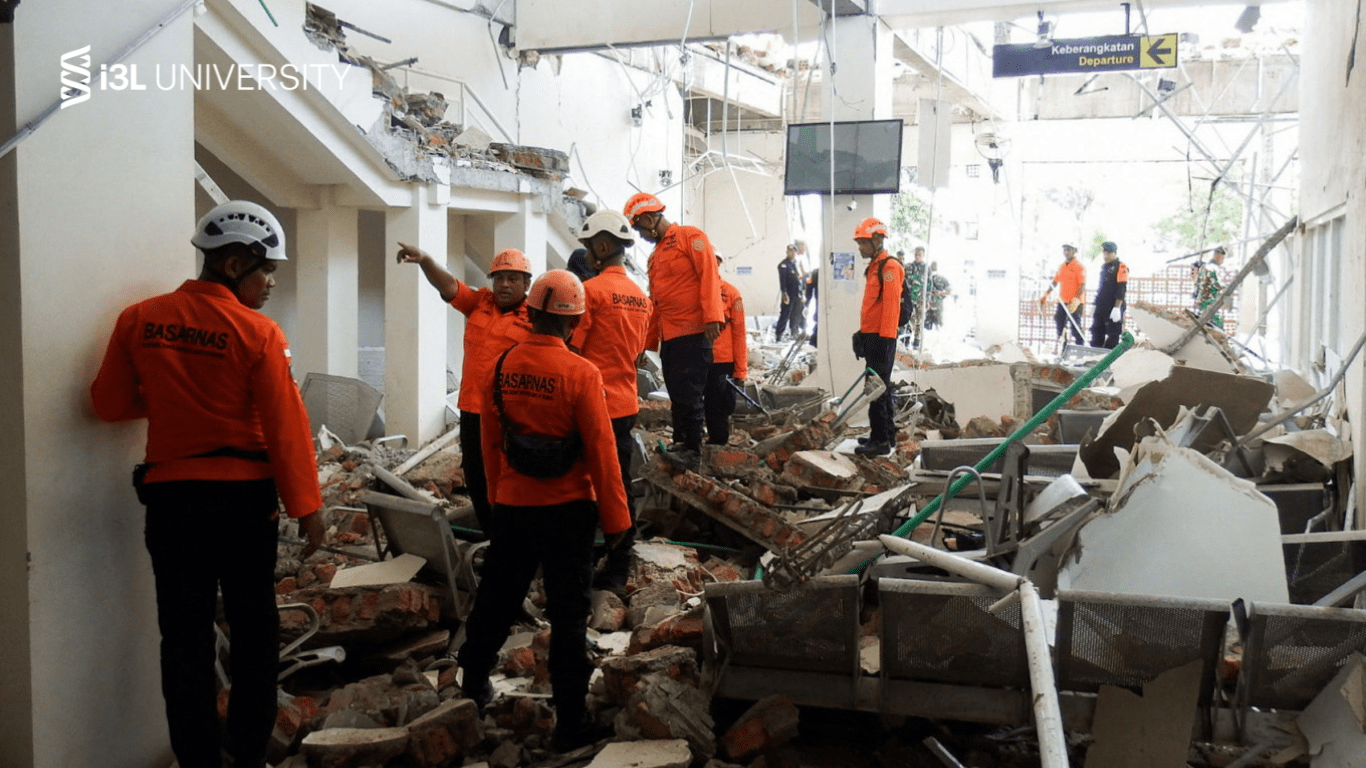
Image from The Jakarta Post
Jakarta, 24 August 2026 — When a powerful 7.7-magnitude earthquake struck Flores, East Nusa Tenggara (NTT), it sent shockwaves through local communities and severely disrupted vital healthcare infrastructure. While emergency rescues and trauma care grab the immediate headlines, a quieter, equally critical lifeline goes into motion which are the pharmaceutical care.
Disasters like the NTT earthquake expose just how fragile supply chains can be. Hospitals, clinics, and pharmacies face sudden structural damage or blockages, yet the demand for medicine spikes overnight.
So, how do healthcare systems keep medicine moving when disaster strikes? The answer lies in the evolving role of pharmacists—stepping far beyond the pharmacy counter to become frontline humanitarian responders.
In the context of the NTT earthquake, these roles have already been supported through the involvement of pharmacy personnel in healthcare teams deployed to affected areas. West Nusa Tenggara Provincial Government deployed a 55-member healthcare, along with emergency kits, medicines, and medical equipment. The team was deployed to healthcare facilities while also providing mobile services to areas that were difficult to access. This demonstrates how pharmacists can work directly as part of a multidisciplinary team alongside doctors, nurses, other healthcare professionals, and humanitarian organizations to ensure that the pharmaceutical needs of disaster victims are addressed.
During the evacuation period and in anticipation of potential aftershocks, the role of pharmacists can expand beyond medicine distribution into more comprehensive pharmaceutical care. Their responsibilities may include:
These activities are particularly important when evacuation conditions continue for an extended period, as healthcare needs gradually shift from treating acute injuries toward maintaining general health and preventing further health complications.
The lessons learned from the Flores and NTT earthquakes highlight an urgent need to institutionalize disaster pharmacy. Moving forward, collaboration between local governments, hospitals, pharmacies, and academic institutions—like pharmacy education programs—is essential.
To build a more resilient healthcare safety net, future strategies must focus on:
Developing robust medicine contingency plans.
Creating agile emergency inventory and distribution systems.
Mapping medicine vulnerabilities across disaster-prone regions.
Integrating disaster pharmacy training into professional curricula.
Establishing alternative distribution routes for when roads and transport networks collapse.
The response to the NTT earthquake proves a powerful truth: pharmacists are not confined to the four walls of a brick-and-mortar pharmacy. Whether they are preparing communities before disaster strikes, managing medicine supplies during the crisis, or restoring health services during recovery, pharmacists are pillars of public health protection and community resilience.
Curious about how modern pharmacy education prepares future healthcare heroes for challenges like disaster response? Explore the academic programs and public health initiatives at i3l University today!

Pharmacy is one of the most interesting and well known majors in Indonesia, which focuses on medicine, which covers from drug discovery, development, clinical trial, drug delivery, drug management and also patient counseling. Pharmacy is the bridge knowledge between biomedical scientists and medical doctors, and highly relates to biomedical science, chemistry, pharmacology, pharmaceutical engineering, social science and population health. Pharmacist is among of the most respected professions in the world, whether in the government institute, research institute, pharmaceutical industry, or clinical pharmacy.