

Undergraduate Programs:
School of Health and Life Sciences
School of Business and Management
Postgraduate Program:
Professional Program:
Pharmacist Professional (Apoteker)
The Role of Computer-Aided Design and Bioinformatics in Combating Infectious Diseases

Jakarta, 01 December 2025 – The COVID-19 pandemic was a global stress test for healthcare systems and supply chains. However, amidst the disruption, a digital hero emerged: Computer-Aided Design (CAD). While often associated with engineering and architecture, CAD technologies and their biological counterpart, Computer-Aided Drug Design (CADD), have become the backbone of rapid responses to infectious diseases.
From 3D-printing emergency ventilators to simulating molecular interactions for vaccine development, digital design has reshaped modern medicine. This intersection of technology and biology is precisely where the Bioinformatics stream within the Biomedicine program at i3L University operates, training the next generation of scientists to fight future pandemics.
When global lockdowns shattered traditional supply chains in 2020, hospitals faced critical shortages of Personal Protective Equipment (PPE) and ventilator parts. Mechanical CAD software allowed engineers to bypass traditional manufacturing bottlenecks.
While mechanical CAD addressed hardware shortages, the battle against the virus (SARS-CoV-2) was fought on a molecular level using Bioinformatics. This is known as Computer-Aided Drug Design (CADD).
Instead of designing a machine part, CADD allows scientists to design molecules. By utilizing high-performance computing, researchers can:
The insights gained from the pandemic have permanently changed the landscape of life sciences. There is now a high demand for professionals who understand both biological mechanisms and computational tools.
This is the core focus of the Biomedicine and Biotechnology program at i3L University, specifically within the Bioinformatics stream.
The integration of CAD and Bioinformatics creates a comprehensive defense system against infectious diseases. The ability to manufacture medical hardware locally (CAD) and to rapidly design drugs digitally (Bioinformatics) ensures that humanity is better prepared for the next health emergency. i3L University is essential to this ecosystem, fostering the talent that drives technological innovation.
CAD (Computer-Aided Design) typically refers to designing physical medical devices like ventilators or prosthetics. CADD (Computer-Aided Drug Design) refers to the use of bioinformatics to simulate and design pharmaceutical molecules and medicines.
Bioinformatics allowed scientists to sequence the COVID-19 genome quickly and use computational models to design vaccines and antiviral drugs in record time.
Yes. The Biomedicine program at i3L University, particularly the Bioinformatics stream, covers topics such as molecular biology, genomics, and computational drug discovery.
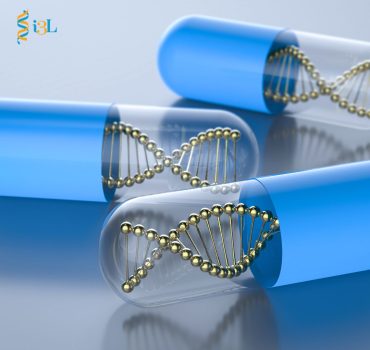
i3L’s Biomedicine program focuses on research and innovation that bridges the study on human health and disease with therapeutic and diagnostic development. Currently, our program offers three specialization streams that focus on tumor biology, infectious disease, and bioinformatics. We utilize the triple-helix approach, which involves the interactions between academia, industry, and government, that strategies and implements the most relevant biomedicine research and development to the community.
Undergraduate Programs:
School of Health and Life Sciences
School of Business and Management
Postgraduate Program:
Professional Program:
Pharmacist Professional (Apoteker)
Undergraduate Programs:
School of Life Sciences
School of Business
Postgraduate Program:
Professional Program: