Pinjol vs Paylater: Smart Financial Tools or Digital Borrowing Traps?
By Reni M. Saraswati, Ph.D.
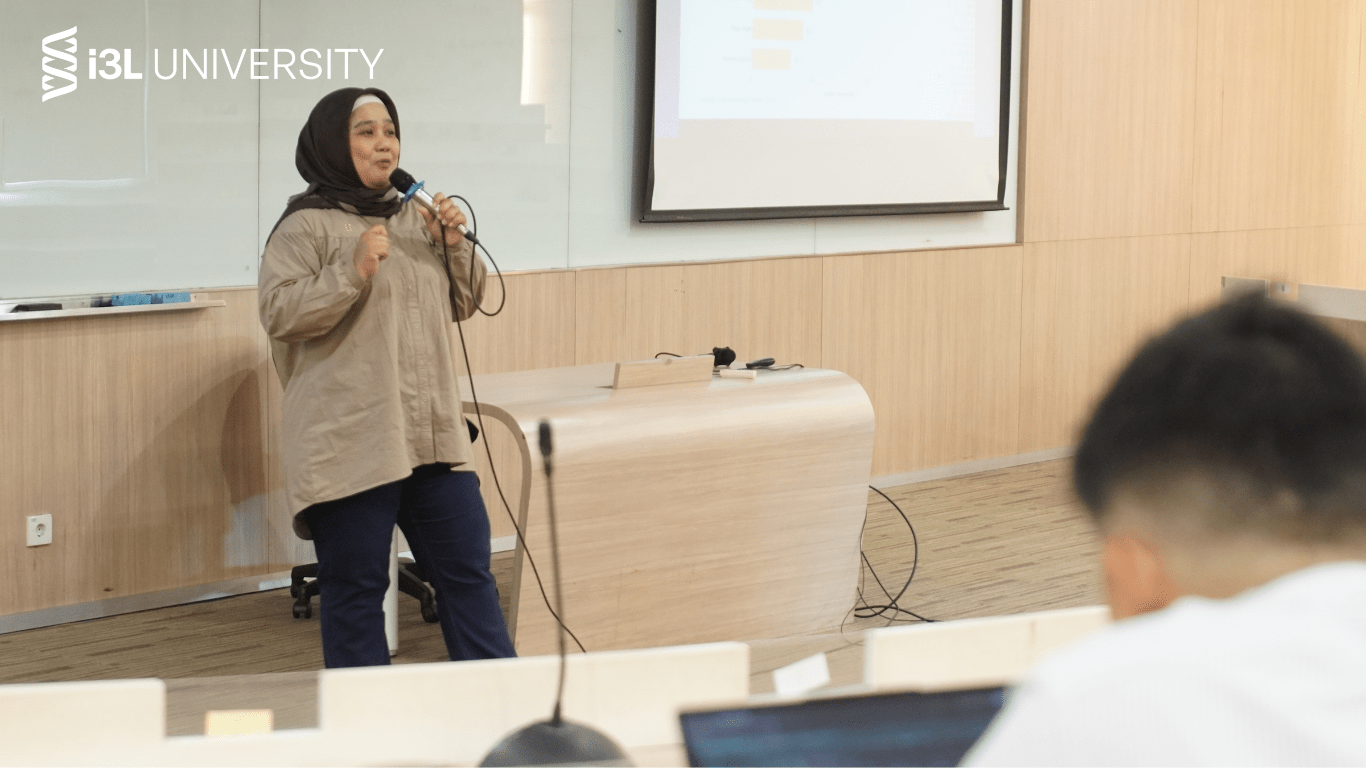
Jakarta, 21 July 2026 — As digital financial services become increasingly embedded in everyday life, understanding how to use them wisely has never been more important. Recognizing this challenge, the Master of Bio Management (MBM) Program at i3L University organized a Community Service activity titled “Two Sides of a Coin: Smart Spending vs Digital Borrowing Traps (Pinjol & Paylater)” in December 2025. The event was conducted in a hybrid format, bringing participants together both at the i3L campus and online through Zoom. People from diverse backgrounds—including students, professionals, entrepreneurs, and members of the public—joined the session because they shared a common interest in financial literacy and the growing phenomenon of digital borrowing.
The workshop was designed to help participants navigate the opportunities and risks associated with online lending (pinjol) and paylater services. These platforms offer quick access to funds and flexible payment options, making them attractive for many consumers. However, behind the convenience lies the possibility of hidden fees, mounting debt, and long-term financial pressure when borrowing is not managed carefully.
During the session, Rosita Widjojo, S.E., M.B.A., Ph.D., who specializes in financial strategy and risk management, invited participants to look beyond the attractive promotions often displayed by digital lending platforms. Through practical examples, she explained how small and seemingly manageable installments can accumulate into a significant financial burden. She encouraged participants to develop the habit of budgeting before borrowing, understanding the true cost of credit, and checking whether a lending platform is legally registered with OJK before using its services.
The discussion was then complemented by Dr. Silvi Hafianti, S.E., M.Com., an expert in economic analysis and household finance. She presented a broader picture of fintech development in Indonesia and its impact on household financial resilience. Her presentation highlighted that digital lending can improve access to financing, especially for individuals who may not have easy access to conventional banking services. At the same time, she emphasized that excessive dependence on pinjol and paylater can reduce disposable income, weaken savings capacity, and increase the risk of financial vulnerability, particularly among younger borrowers and lower-income households.
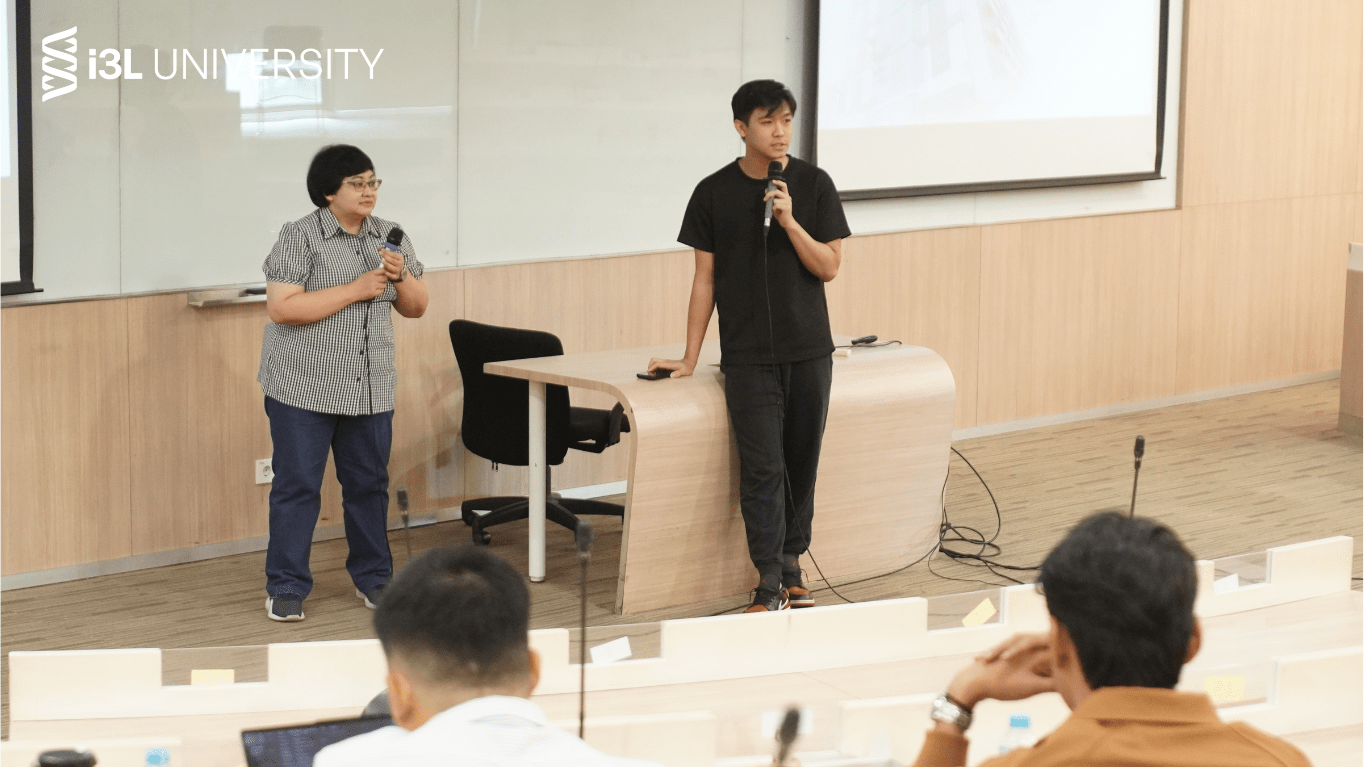
One of the most memorable moments of the workshop was when participants reflected on how easy it has become to make purchases without immediately feeling the impact on their finances. The speakers reminded the audience that digital borrowing should be viewed as a financial tool rather than an extension of one’s income. Convenience, they noted, should always be accompanied by responsibility.
The response from participants was overwhelmingly positive. Based on the survey distributed after the event, many attendees appreciated the practical nature of the discussions and the clear explanation of the differences between legal and illegal online lending platforms. Participants also valued the real-life examples, the guidance on protecting personal data, and the strategies for managing cash flow more effectively. Several respondents mentioned that the workshop made them more aware of the long-term consequences of impulsive borrowing and encouraged them to evaluate their repayment ability more carefully before using paylater or online loan services.
Beyond the technical discussions, the Community Service activity revealed a broader insight: financial literacy remains an essential life skill in the digital era. As financial products become more accessible through smartphones and online platforms, the ability to distinguish between productive financial decisions and risky borrowing behavior becomes increasingly important. Through this initiative, the MBM Program at i3L University reaffirmed its commitment to supporting community education by equipping participants with practical knowledge to make wiser, more responsible, and more sustainable financial decisions in the future.

The Master in BioManagement is a specialized program combining life science knowledge with business management skills .
It equips graduates for high-demand careers in the growing life science sector, including: