
Can In Vitro Testing Replace In Vivo Testing in Cosmetics? What the Industry Is Moving Toward
Written by: Jean Bobby Venando & Ahmad Fajar Muhandis
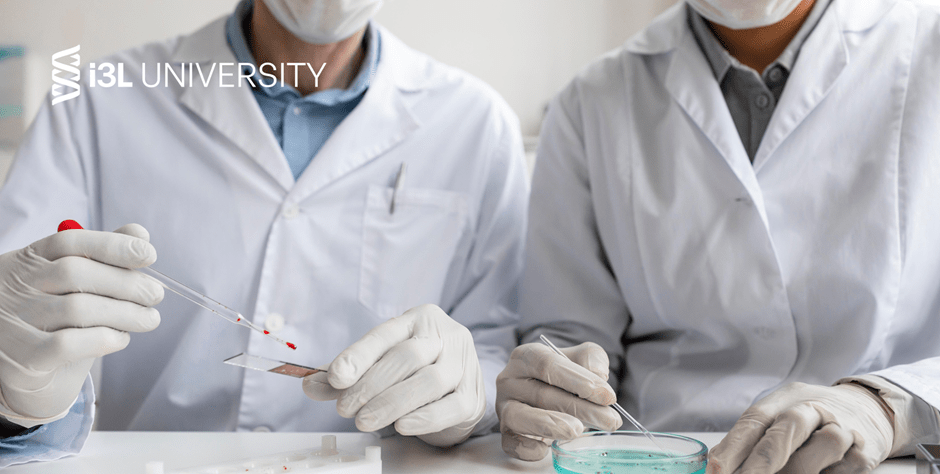
Jakarta, September 10, 2026 — Advances in biomedical and pharmaceutical testing technology have been accelerating, bringing with them newer, safer testing methods. One of the most significant is the rise of in vitro methods, which is gradually displacing in vivo methods. In vitro refers to testing or experiments conducted in a laboratory using glass containers or tubes, while in vivo refers to testing performed directly on living organisms, such as animals, as the “instrument” in the trial process.
Simply put, the key difference between in vitro and in vivo lies in the testing medium: In vitro testing utilizes glass-based laboratory equipment or, as it is also known, laboratory testing. While in vivo uses living organisms like animal testing. The emergence of laboratory testing is driving a shift in how products, including cosmetics, are evaluated, pushing the industry away from methods that involve living subjects.
So, can animal testing ever be fully replaced by in vitro methods like laboratory testing? Why are so many cosmetic companies moving away from in vivo methods like animal testing? And should cosmetic brands be using laboratory testing? This article addresses all of those questions.
The cosmetics industry has been steadily shifting away from animal testing toward laboratory testing alternatives. One of the primary drivers is the growing consensus that in vivo methods such as animal testing are ethically unacceptable, essentially a form of institutionalized harm toward animals.
As a result, regulations banning animal testing have emerged around the world. One of the most well-known, particularly in Europe, is EU Cosmetic Regulation No. 1223/2009 governing cosmetic products in the European market. This regulation takes a firm stance: all forms of animal testing must be replaced with alternative methods wherever possible. The EU Cosmetic Regulation is also driven by animal welfare considerations and the 3R principles (Reduce, Refine, Replace), which demand that animal testing become more humane.
Similar bans are gradually being implemented across other continents, driven by increasingly knowledgeable and vocal consumers who view animal testing as wrong and actively penalize brands still associated with the practice. Consequently, various alternative methods have emerged, with laboratory testing standing out as a widely chosen and safe option.
Growing pressure on the cosmetics industry from consumers has made in vitro testing an essential alternative to animal-based methods. As mentioned, laboratory testing involves testing biological phenomena in specific cells within a controlled laboratory environment using glass containers rather than living organisms, which eliminates confounding variables arising from the intact biological systems of living subjects and avoids the risk of harming animals, as the testing does not involve animals.
The absence of human or animal subjects is in vitro‘s most significant advantage. One widely used in vitro or laboratory testing method is Reconstructed Human Epidermis (RHE). Internationally, it has been established as a standard method for cosmetic and chemical testing, such as in OECD Test Guidelines No. 431 (In Vitro Skin Corrosion), No. 498 (In Vitro Phototoxicity), and No. 439 (In Vitro Skin Irritation), effectively replacing the need for animal and human subjects. In vitro methods like laboratory testing also offer the advantage of allowing researchers to conduct detailed analyses and examine biological effects on a larger number of laboratory subjects than is possible in animal or human testing.
Unfortunately, in vitro methods like laboratory testing still cannot fully replicate the conditions of a living organism, especially the complex biological system responses that only occur in a living subject. This is precisely why, while in vitro can provide a safer, more ethical, and mechanistic view of cosmetic product efficacy, it cannot yet replace in vivo as it produces more accurate, real-world data by capturing the actual reactions of living organisms.
Regardless, both methods have their strengths and limitations. In vitro offers shorter testing timelines, more specific evaluation, and greater ethical standing, but falls short in replicating the full complexity of a living system. In vivo, on the other hand, produces more accurate and reliable results, but raises ethical concerns when it involves animals or human subjects.
Nowadays, brands cannot simply focus on a single testing method; instead, they need to devise a testing strategy based on the specific product claims they wish to substantiate, as each method yields a different type of data suited to a different type of claim.
Cosmetic brands must align their testing method with the specific claims they intend to make. In vitro testing is the right choice for mechanistic claims that describe biological or cellular actions at a molecular level such as “reduces melanin down to the root” or “helps boost collagen production for firmer skin.” In vivo testing, on the other hand, is required for holistic claims that capture a product’s overall effect as experienced in real-world use, claims like “visibly reduces dark spots in 4 weeks,” or “provides lasting hydration for up to 24 hours,” all of which rely on sensory panels or instrumental testing on human volunteers for substantiation. This is precisely where in vivo methods become essential: it bridges the gap between product technology and consumer experience, serving as the primary method for real-world performance evaluation.
With Skinovation, you can consult with experts and access the most appropriate testing solution for your needs, whether that’s in vitro, in vivo, or a combination of both.
As cosmetic testing continues to evolve, choosing the right testing approach is essential for building reliable evidence and supporting product claims. Skinovation provides both in vitro and in vivo testing services, supported by the latest technologies and testing systems aligned with international testing standards. Whether you need controlled laboratory insights or real-world performance evaluation, Skinovation can help you develop a testing strategy that fits your product and its intended claims.
Ready to build stronger evidence for your next cosmetic innovation? Contact Skinovation today and explore the right testing solution for your product.

i3L University’s Skinovation is an innovative cosmetic testing center in Indonesia that offers customizable, science-driven solutions, to help brands validate their claims with confidence.
By combining sensory studies, modern multi-probe analyzer, and cutting-edge in vitro testing, we empower cosmetic producers to strengthen product credibility and succeed in both local and global markets.