
Food Technology Project 2.0 by i3L University for Panti Asuhan Karena Kasih
By Food Technology Study Program
Jakarta, 22 July 2026 — The Food Technology (FT) project is an annual initiative that encourages Food Technology students at i3L University to integrate academic knowledge with entrepreneurship and community engagement on 5 May 2026. By developing, producing, and marketing their own food products, students gain practical experience in food production, teamwork, and business management while working towards a meaningful social cause.
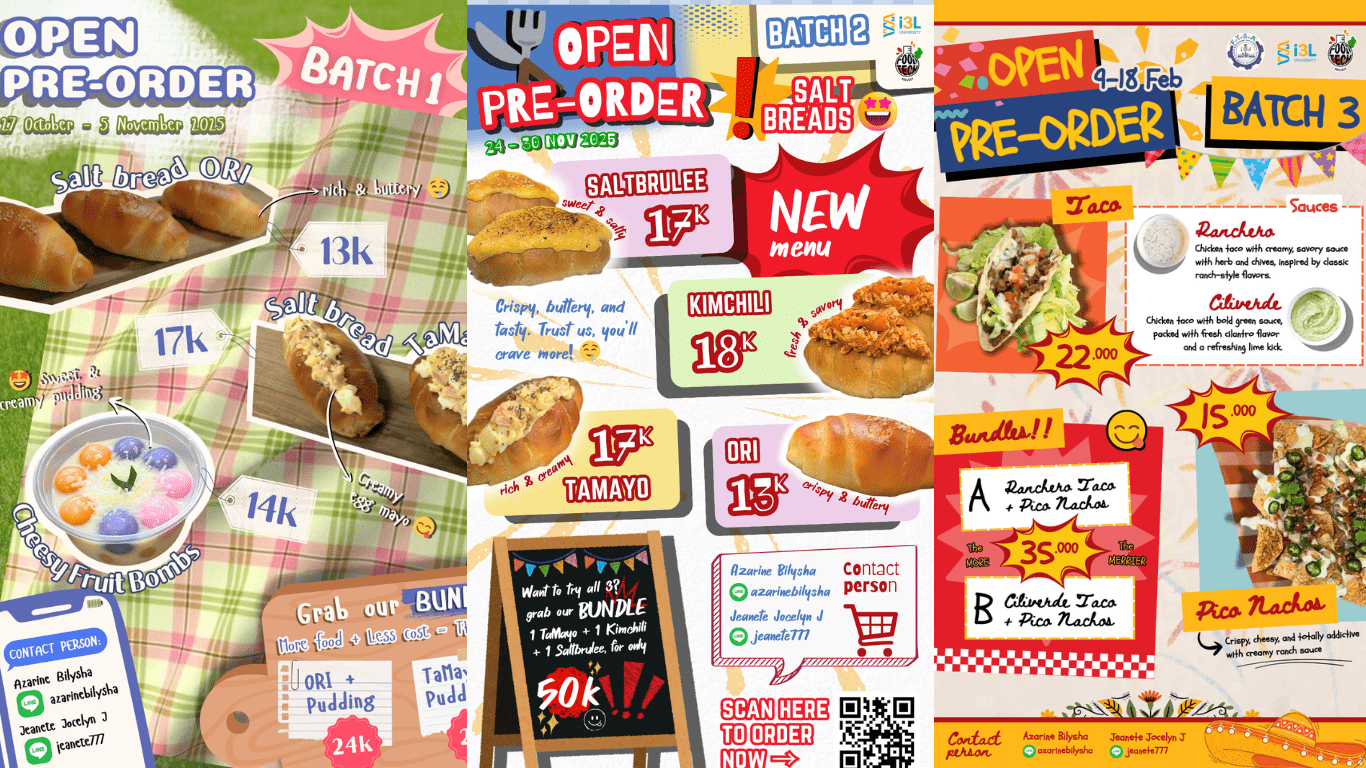
This year’s FT Project (2.0) centered on supporting the children of Panti Asuhan Karena Kasih through a student-led fundraising campaign. Rather than simply organizing a donation drive, the students raised funds by applying the knowledge and skills they had developed throughout their studies. A variety of food products, including freshly baked salt bread, fruit puddings, tacos, and nachos, were prepared and sold to the i3L community and beyond. Through these fundraising efforts, the students successfully generated the resources needed to organize a community outreach program for the orphanage.
After several months of preparation and fundraising, the project culminated in a visit from Panti Asuhan Karena Kasih to i3L University, where the students conducted a full-day educational and recreational event. The outreach was designed not only to provide financial assistance but also to share valuable knowledge that could benefit the children’s daily lives.
The program began with a pre-test to assess the participants’ baseline understanding of food safety and healthy eating habits. This was followed by two interactive seminars centered on the theme “Increasing Awareness of Healthy Snacking in Indonesian Adolescents”. During the first session, Professor Ananditya Nugraha S.T.P., M.Sc introduced essential food safety concepts, including biological, chemical, and physical food hazards, proper food handling practices, and the fundamental principles of safe food preparation. The second seminar, led by Dr. Oec. troph. Hanny Angrainy BSc., M.A., M.Sc. focused on healthy and smart eating habits for teenagers, emphasizing the importance of balanced nutrition, making informed snack choices, understanding nutrition labels, and adopting healthier dietary practices in daily life. Through engaging discussions, relatable examples, and interactive question-and-answer sessions, the children actively participated throughout the seminars, creating an enjoyable learning environment while gaining practical knowledge that they could apply in their everyday routines.
One of the most memorable moments of the workshop was when participants reflected on how easy it has become to make purchases without immediately feeling the impact on their finances. The speakers reminded the audience that digital borrowing should be viewed as a financial tool rather than an extension of one’s income. Convenience, they noted, should always be accompanied by responsibility.
The response from participants was overwhelmingly positive. Based on the survey distributed after the event, many attendees appreciated the practical nature of the discussions and the clear explanation of the differences between legal and illegal online lending platforms. Participants also valued the real-life examples, the guidance on protecting personal data, and the strategies for managing cash flow more effectively. Several respondents mentioned that the workshop made them more aware of the long-term consequences of impulsive borrowing and encouraged them to evaluate their repayment ability more carefully before using paylater or online loan services.
Beyond the technical discussions, the Community Service activity revealed a broader insight: financial literacy remains an essential life skill in the digital era. As financial products become more accessible through smartphones and online platforms, the ability to distinguish between productive financial decisions and risky borrowing behavior becomes increasingly important. Through this initiative, the MBM Program at i3L University reaffirmed its commitment to supporting community education by equipping participants with practical knowledge to make wiser, more responsible, and more sustainable financial decisions in the future.
Following the educational sessions, the atmosphere became even more lively as the children participated in a series of interactive games prepared by the organizing committee. These activities encouraged teamwork, communication, and friendly competition while creating an enjoyable environment for both the children and the student volunteers.
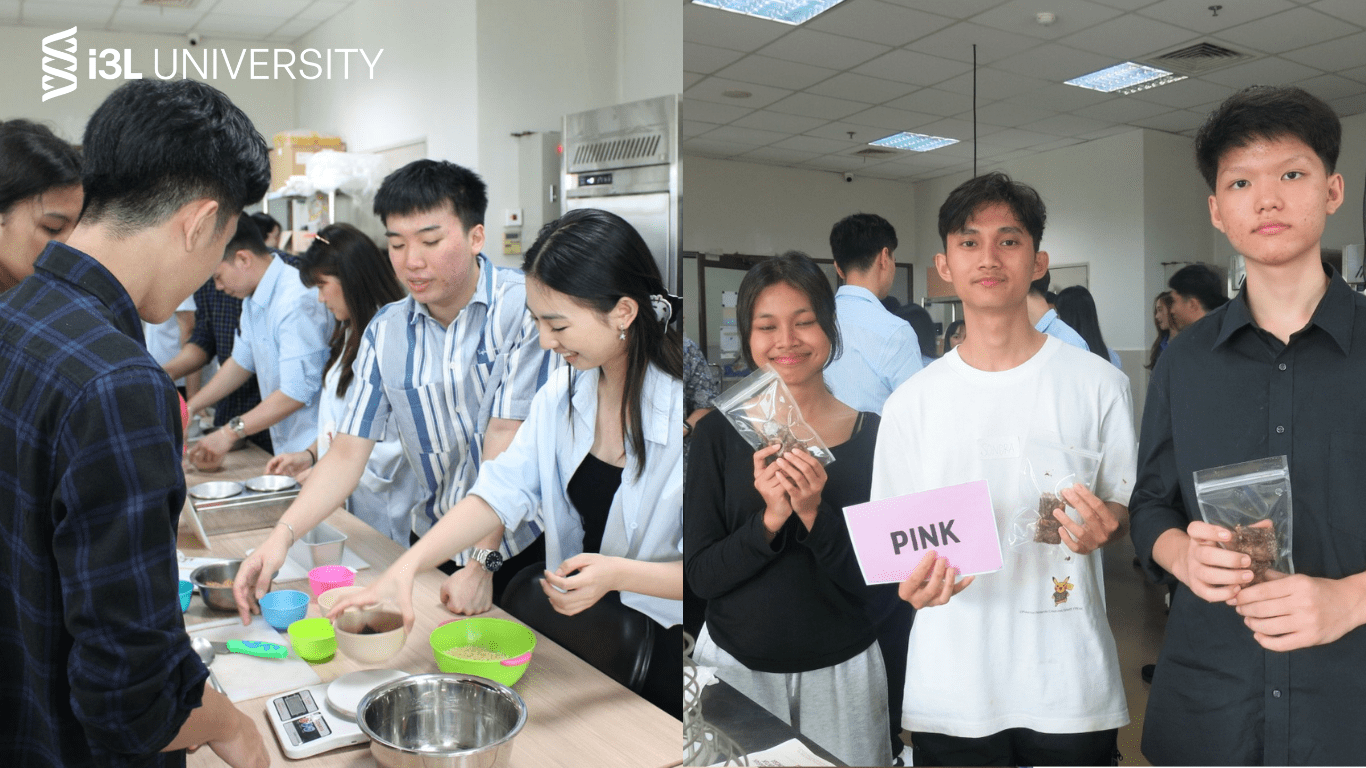
The outreach continued with a hands-on workshop where the children learned how to prepare high-protein chocolate bars. Guided by the Food Technology students, participants were introduced to the ingredients, preparation process, and nutritional benefits of the snack. The workshop transformed the learning experience into an enjoyable activity, allowing the children to apply what they had learned by creating their own nutritious treats and bringing them back to enjoy.
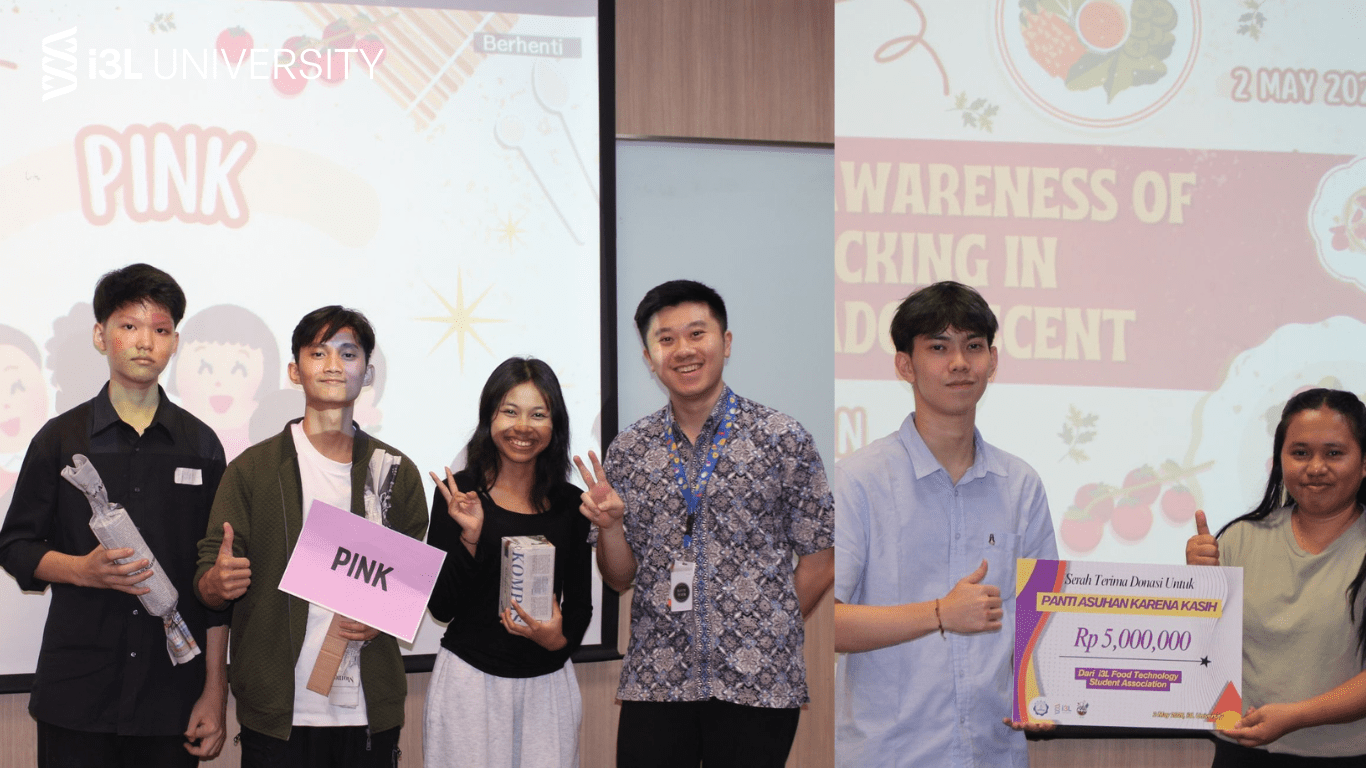
The event concluded with the distribution of gifts and prizes to all participating children as a token of appreciation for their enthusiasm throughout the day’s activities. In addition, the remaining funds raised through the FT project were officially donated to Panti Asuhan Karena Kasih to support the orphanage’s ongoing needs. This closing session reflected the event’s commitment to ensuring the project’s impact extended beyond the event itself.
The Food Technology Project demonstrates how classroom learning can be translated into meaningful action beyond the university. By combining entrepreneurship, food innovation, and community service, the initiative enabled students to strengthen their practical skills while making a positive contribution to society. More importantly, the project fostered collaboration, social responsibility, and the spirit of giving values that continue to shape future Food Technology professionals at i3L.

The Food Technology program at i3L aims to fulfil the needs of the society for sustainable food quality, safety, and security. This field applies the principles of science to ensure safe manufacture, packaging, and distribution. Students will complete a rigorous scientific curriculum that balances classroom lectures with practical sessions in our state-of-the-art laboratories. The Food Innovation Centre allows students to have trainings in our modern, on-campus food processing facilities, in which we strongly encourage our students to create innovative food products.
At i3L, we have broad industry networks and links to leading research organizations around the world to support students in finding suitable internships that can help them pave the way to their dream career in the food industry.