

Undergraduate Programs:
School of Health and Life Sciences
School of Business and Management
Postgraduate Program:
Professional Program:
Pharmacist Professional (Apoteker)
Demography-Oriented Sensory Testing: Aligning Products with Target Consumers
Written by: Lydia Kurniadi & Anisa Nurjanah
Jakarta, 02 March 2026 – In the competitive beauty industry, consumer purchasing decisions are determined not only by claims of benefits and the effectiveness of ingredients, but also by the sensory experience consumers have when first touching and applying the product. A texture that feels too sticky, a scent that is too strong, or poor spreadability can immediately undermine consumer perceptions of product quality and overall brand credibility.
Understanding consumer perception is therefore essential in product development and cosmetic marketing strategy. Through Demographic-Oriented Sensory Testing, brands can align product characteristics with the specific preferences, behaviors, and expectations of their target market segments, ensuring stronger product acceptance and improved market performance.
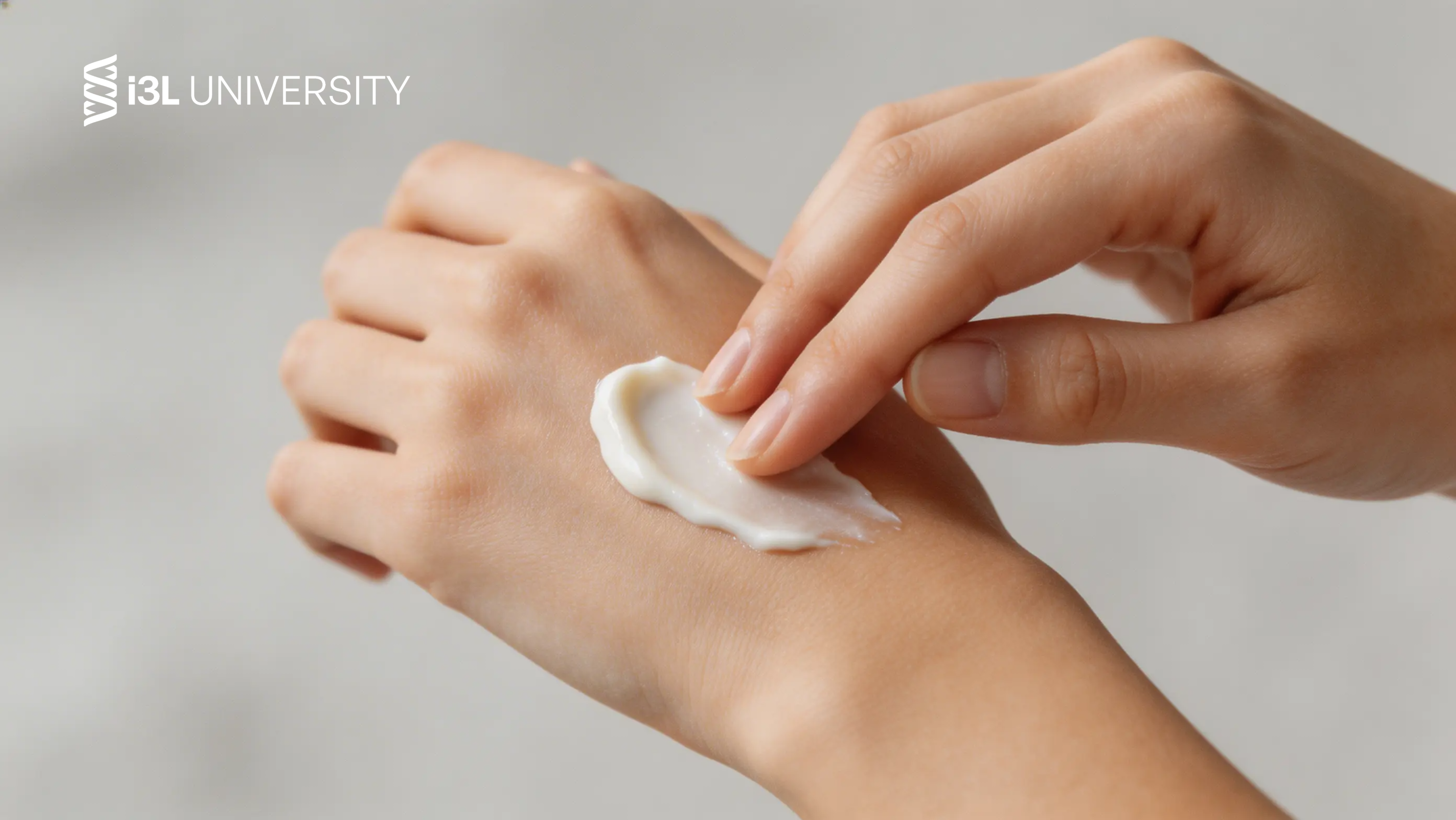
In the beauty industry, sensory evaluation is a structured, systematic testing method used to measure and analyze consumer reactions to product characteristics based on sensory perceptions, such as sight, smell, and touch. This evaluation may include aspects such as product texture, spreadability, absorption time, and comfort upon application to the skin.
Sensory evaluation bridges the gap between clinical laboratory evidence and real consumer preference acceptance. Even when a product is clinically proven effective, it may fail commercially if the user experience does not meet market expectations. By integrating sensory analysis into cosmetic testing, brands can ensure that their products are not only effective but also comfortable, desirable, and aligned with consumer preferences across different market segments.
Data on the Asia Pacific facial care market show clear patterns in product preferences driven by environmental and consumer habits. In 2024, creams and moisturizers led the market with a 28.5% share. In tropical countries such as Indonesia and Thailand, high humidity affects sebum production, making light-textured, oil-control moisturizers in high demand. In contrast, markets in colder regions like Japan and South Korea demonstrated* stronger preference for rich-textured creams with deep hydration benefits, reflecting adaptation to drier climates and differing skin needs. Younger demographics have also accelerated demand for serums and multi-step routines influenced by K-beauty and J-beauty trends, while rising awareness of skin health continues to fuel overall facial care growth across the region.
Furthermore, exposure to pollution and environmental conditions also influences moisturizer purchasing preferences, as skin in such environments tends to be drier and more susceptible to barrier damage. Consistent with this, a McKinsey report indicates that sales of barrier repair creams in China will grow by 14% by 2024, driven by rising consumer awareness of skin health and the impact of pollution.
A survey by Lycored has found that female consumers were more than twice as likely as male consumers to say that anti-aging or wrinkle reduction was an important goal (49% vs. 21%). Women were also more likely to seek a “healthy glow” from products, whereas men tended to place comparatively less emphasis on these outcomes.
Moreover, understanding demographic segmentation strengthens product positioning and marketing precision. Clearly defined target segments allow brands to tailor communication strategies, optimize branding messages, and execute more effective marketing campaigns. By incorporating demographic insights into cosmetic testing, brands gain data-driven insights into consumer needs and preferences, resulting in products that feel more relevant, personalized, and market-ready.
Understanding consumer characteristics through Demographic-Oriented Sensory Testing is not merely a technical process, it is a strategic approach to improving product relevance, enhancing customer satisfaction, and strengthening brand positioning in the beauty industry. With well-defined segmentation and data-backed insights, brands can develop products that resonate more personally with their audience. Skinovation is ready to be your strategic partner in delivering targeted, market-aligned, and competitively positioned cosmetic products through comprehensive sensory evaluation and demographic-based testing solutions.

i3L University’s Skinovation is an innovative cosmetic testing center in Indonesia that offers customizable, science-driven solutions, to help brands validate their claims with confidence.
By combining sensory studies, modern multi-probe analyzer, and cutting-edge in vitro testing, we empower cosmetic producers to strengthen product credibility and succeed in both local and global markets.
Undergraduate Programs:
School of Health and Life Sciences
School of Business and Management
Postgraduate Program:
Professional Program:
Pharmacist Professional (Apoteker)
Undergraduate Programs:
School of Life Sciences
School of Business
Postgraduate Program:
Professional Program: