
The Vital Role of Biotechnology in COVID-19 Vaccine Discovery and Production
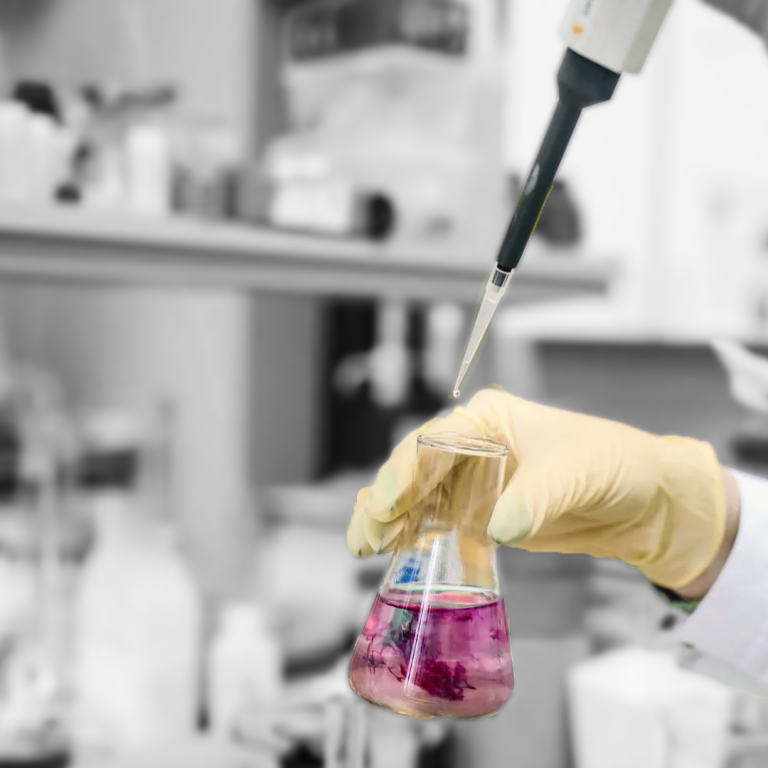
The COVID-19 pandemic, caused by the SARS-CoV-2 virus, has presented an unprecedented global health challenge. With the rapid transmission of the virus primarily through droplets generated when an infected person coughs, sneezes, or exhales, the immediate need for effective preventative solutions, such as vaccines, became paramount.
Behind the swift global effort to combat this pandemic is one scientific discipline that plays a key role in the speed and innovation of vaccine development: Biotechnology. This article explores how biotechnology principles are applied, from the initial component study to mass production, to deliver safe and effective COVID-19 vaccines.
In simple terms, Biotechnology is a branch of biology that harnesses living organisms (such as bacteria, yeast, or cells) or their components to create useful products for humans, often through advanced techniques and large-scale biological transformation processes. In the medical field, one of the most crucial resulting products is the vaccine.
According to Ihsan Tria Pramanda, a Lecturer at the Faculty of Biotechnology at the Indonesia International Institute for Life Science (i3L), vaccine development is closely related to the discipline of biotechnology.
“Vaccines are currently being developed based on the genetic material (DNA or RNA) from pathogens (including for COVID-19). This allows the production of antigens to occur directly in the individual body of the vaccine recipient,” Ihsan explained.
This highlights the innovation shift in biotechnology, where traditional vaccine manufacturing methods (using whole pathogenic cells or viral particles) are now accompanied by more sophisticated genetic engineering techniques.
The role of biotechnology extends beyond the design stage, covering the entire commercial production process through a discipline called Bioprocessing.
Upstream Process: Biotechnology ensures the preparation of growth media, the selection of production cells, and the optimization of environmental conditions so that the vaccine components (e.g., antigen proteins) can be produced optimally and efficiently.
Downstream Process: This involves product harvesting, product purification, and waste handling. This stage is crucial for ensuring the final vaccine is pure and safe, free from residues of the production medium, host cell components, or any external contaminants.
Biotechnology is also instrumental in minimizing risks and ensuring the vaccines produced are truly safe and effective.
Component Design: Biotechnology enables the study and exploration of vaccine components (such as antigen proteins) to ensure these components are antigenic (capable of triggering an immune response) and immunogenic (able to generate long-lasting immunity).
Production Precision: For cell or pathogenic particle-based vaccines, the attenuation (weakening) and inactivation (killing) methods used must be precise. Ihsan emphasizes that these methods must be highly accurate and effective to reduce the risk of pathogens reactivating and the emergence of side effects in vaccine recipients.
Cuba is one country that has demonstrated its biotechnological prowess in addressing the pandemic. The nation has developed several COVID-19 vaccine candidates using biotechnological methods, such as Soberana-01. Furthermore, two other candidates, Soberana-02 and Abdala, have reached large-scale rollout phases involving millions of volunteers in clinical trials, underscoring biotechnology’s capacity for a rapid and massive response.
Biotechnology is a key pillar underpinning the discovery, development, and production of modern vaccines, including those used to fight COVID-19. With Expertise in genetic engineering and bioprocessing, this discipline ensures that millions of vaccine doses can be produced with the highest standards of safety and efficacy.

Indonesia International Institute for Life Sciences (i3L) is a globally connected research and education institution that impacts society through science and innovation. The Biotechnology program at i3L is interdisciplinary education, where innovations are directed to enhance quality of life via the production of valuable products from Indonesian biodiversity. This program offers a broad content, which nurtures well-rounded graduates to become leaders in various fields of biotechnology.