
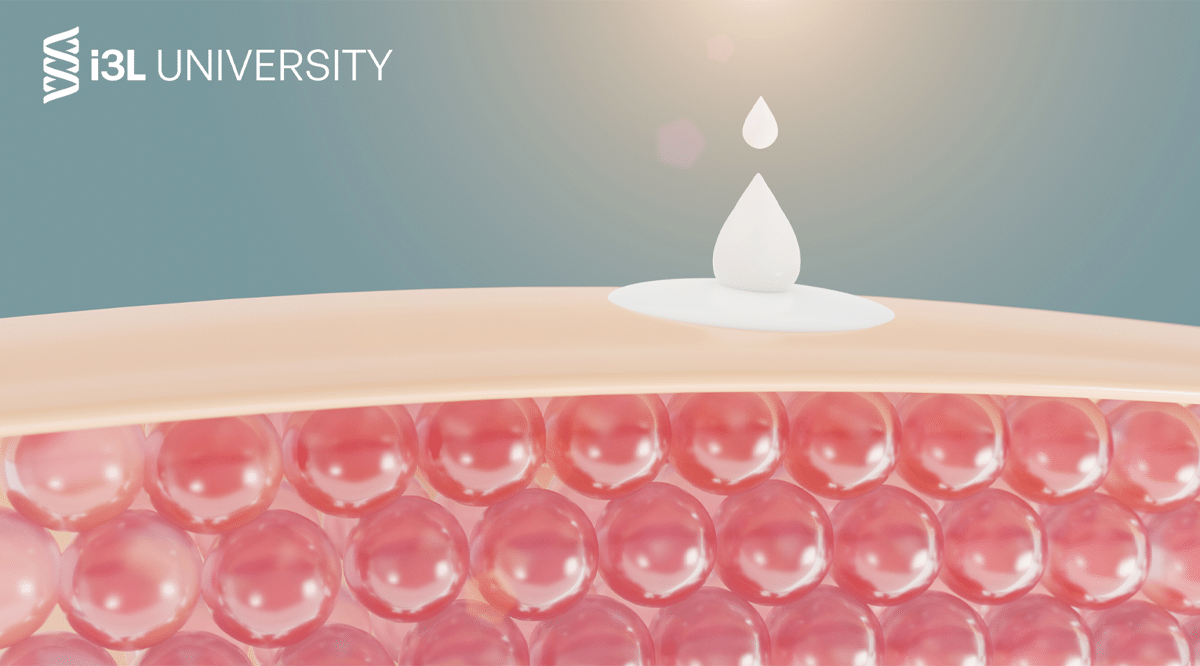
Jakarta, 28 September 2026 — Laboratory testing, commonly known as in vitro testing, has long been widely used in dermatological research. One of the main reasons is that in vitro methods are considered safer because they do not involve animals or humans as test subjects. Several in vitro testing methods are frequently used in cosmetic evaluation, and one of the most prominent is the 3D skin model.
The 3D skin model has gained considerable recognition as an in vitro testing method because it can reduce the need for human or animal testing. This shift is closely tied to a growing movement within the industry away from animal testing and toward laboratory-based alternatives. But why are so many industries moving away from animal testing in the first place? And can 3D skin models fully replace it? We answer both questions in this article.
Why Is the Industry Looking for Alternatives?
Animal testing has increasingly come under scrutiny in many countries — and outright prohibition in some. In Indonesia, the movement against animal testing has gained significant momentum, championed by public figures and everyday citizens alike. Growing awareness around animal welfare and the ethics of animal experimentation has led many people to view animal testing as a form of cruelty, especially in cosmetics.
In response to widespread public opposition to cosmetics tested on animals, various organizations have begun issuing certifications or labels for products proven to be free from animal testing. One example is PETA’s “Cruelty-Free” stamp. Such labels have been shown to boost consumer interest in purchasing cosmetic products in the United States, as products bearing PETA’s stamp are perceived as more credible and easily trusted by consumers.
This public concern has pushed industries to seek alternatives, with the 3D skin model emerging as one of the most promising options. A 3D skin model replicates the complex structure of human skin and offers several key advantages:
- Similarity to natural skin: 3D skin models closely replicate the composition and architecture of human skin with a high degree of accuracy.
- Greater realism: They provide a more realistic cellular environment that mimics the natural structure and function of human skin, leading to more accurate research outcomes.
- Better understanding of skin conditions: The three-dimensional nature of these models allows for a more faithful representation of cell-to-cell interactions.
- Predictability and reproducibility: 3D skin models offer a more consistent and reproducible platform for testing various compounds, producing results that are more predictive of in vivo responses.
Where 3D Skin Models Can Help
3D skin models have evolved to closely resemble the tissue structure of human skin. They also represent a significant advancement over traditional 2D cell cultures — notably, they enable the assessment of key parameters such as Trans-Epidermal Electrical Resistance (TEER), a direct indicator of skin barrier integrity that cannot be measured using 2D cell cultures. Within a 3D skin model, multiple cell types interact with one another, enabling more realistic predictions of ingredient penetration, irritation potential, and toxicity.
As a result, 3D skin models have already contributed substantially to reducing animal testing, with researchers increasingly adopting them as a primary alternative. The technology has proven to be a genuine asset to industries committed to moving away from animal-based testing.
From Safety Testing to Efficacy Research
Safety testing and efficacy testing are two of the most common types of assessments traditionally conducted on humans or animals. Today, both can be performed using 3D skin models. Cosmetic testing, including the evaluation of skin responses to specific formulations, is now routinely carried out on these models. For product safety assessments, 3D skin models are particularly valuable in determining how cells react to chemical compounds.
3D skin models are also formally recognized in cosmetic testing guidelines from the Organisation for Economic Co-operation and Development (OECD), specifically Test Guidelines No. 431 (In Vitro Skin Corrosion), No. 498 (In Vitro Phototoxicity), and No. 439 (In Vitro Skin Irritation). These guidelines effectively validate 3D skin models as replacements for animals and humans as test subjects.
Efficacy testing is equally critical in the cosmetics industry. One area where 3D skin models have proven especially useful is in evaluating the efficacy of anti-aging compounds. This can be done by applying the anti-aging compound to the cells within the 3D skin model over a period of several days and observing the cellular response. Allowing for greater mechanistic understanding of product efficacy while limiting risk on human or animals.
Can 3D Skin Models Completely Replace Human or Animal Testing?
Replacing animal and human testing has been one of the driving motivations behind the development and adoption of 3D skin models. These models reflect key features of human skin, including its distinct layers and pigment-producing cells. Allowing for more biologically relevant result compared to standard 2D in vitro test.
However, 3D skin models have yet to fully replace cosmetic testing on humans or animals. The key limitation is the absence of more complex biological systems, such as blood circulation, neural networks, and a fully functioning immune system. As a result, 3D skin models cannot yet reveal whether an applied substance might affect more complex systems. However, even in its state now 3D skin has already shown tremendous benefit and potential as an alternative for cosmetic testing.
The Future of Cosmetic Testing
Researchers are actively working to advance 3D skin models so they can more accurately represent the full complexity of human biology. The growing sophistication and adoption of these models signals that animal use in cosmetic testing will decline sharply in the years ahead.
The cosmetics industry is increasingly recognizing that as technology capable of replicating human skin continues to improve, the justification for using animals in testing becomes harder to defend. Beyond science, a more informed and vocal public is ensuring that 3D skin models are no longer merely an alternative for industry innovation — they are fast becoming an obligation.
Reference
- News Network. 3D-bioprinted human skin model expands options for preclinical research
- PromoCell. 3D skin model: The promise for dermatology
- i3L University. From Claims to Evidence: Why 3D Skin Models Are Transforming Cosmetic Testing
- IJRISS. The Conseptual Framework of the Impact of Cruelty-Free and Vegan Logos on Consumer Purchase Intention towards Cosmetics in the United States
